
Initially in this part, I thought of discussing the books and toolkits/simulators. But as I started reading books and following video tutorials, I felt that the most of the books that would talk about quantum programming are focused on a particular toolkit. This actually make sense, if there is a topic which has to be presented as a demo, it is natural to demo it using a particular toolkit. For instance, if I would like to discuss a topic on swapping two numbers without using a third variable, I can write the pseudo code but to demo it I have to chose a language. Similar way, the author of the books chose one or the other toolkit available to demo the quantum topics.
Note: I’ll be interchangeably using simulators and toolkits, in this article context assume they both refer the same.
In this part, I’ll discuss the toolkits first and then discuss books related to those toolkits.

This quantum wiki site maintains a list of all available toolkits/simulators grouped by programming languages, including the status of the simulator, whether it is in preview (beta) or active or under development. Among the simulators listed, below are the once which are in wide use within the quantum community:
This stack exchange article summarises the high level differences between the above mentioned simulators (included the screenshot for quick reference).
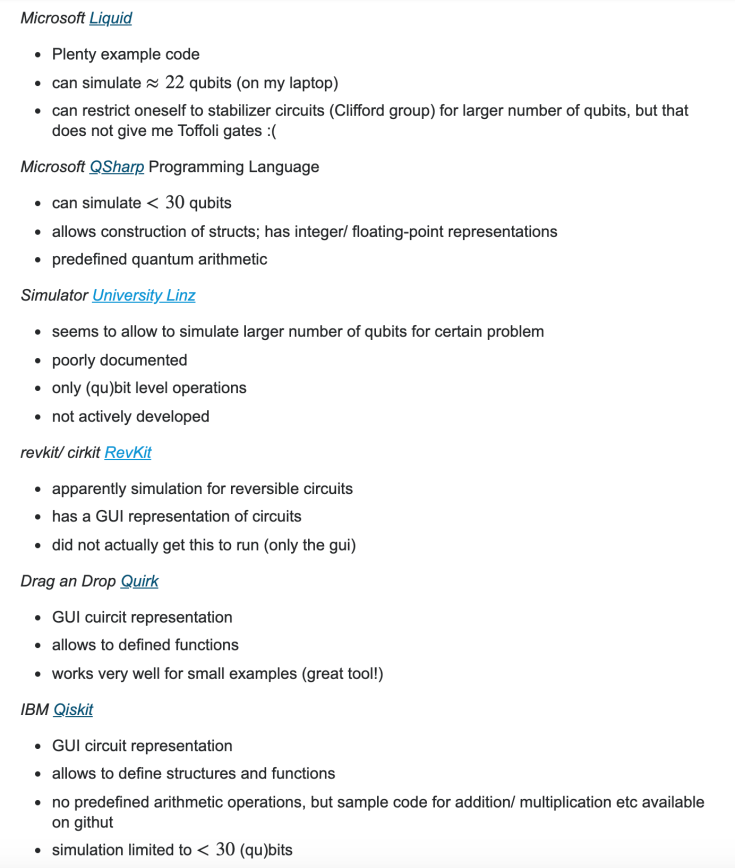
As a beginner, after spending lot of time comparing these, I decided that IBM Qiskit is the path forward for me because of the documentation available and easiness of the GUI to build the circuits. So, all the next parts that I’ll be scribbling will be based on Qiskit. I don’t want to recommend lot of books here, I’ll only mention the book that I’m currently reading which includes hands-on exercises built around IBM Qiskit and IBM Quantum Experience.
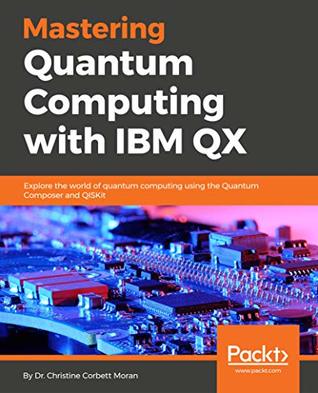
The book I’m reading is Mastering Quantum Computing with IBM QX: Explore the world of quantum computing using the Quantum Composer and QISKit
About the Author
Dr. Christine Corbett Moran is a Researcher and Engineer at NASA JPL and a guest scientist at Caltech.
In the next part, lets discuss about the IBM Qx account creation and write a Hello World!! Program(Circuit) and run it on the simulator using Qiskit and IBM Quantum Circuit composer
 Umess.me
Leave a comment